How to Make Vibrant Beet Pasta: Easy Recipe & Health Benefits
Imagine a dish that’s as stunning to look at as it is delicious to eat, bursting with natural color and subtle flavors. That’s exactly what you get when you discover how to make beet pasta. This isn't just a culinary trend; it's a delightful way to elevate your homemade pasta experience, transforming a simple meal into an artistic creation. Whether you're a seasoned pasta maker or a curious beginner, this comprehensive guide will walk you through crafting beautiful, healthy, and incredibly tasty fresh beet pasta, complete with practical tips and the surprising health benefits packed into every crimson strand.
Why Embrace Vibrant Beet Pasta? More Than Just a Pretty Color
Beyond its undeniable visual appeal, there are several compelling reasons to incorporate beet pasta into your culinary repertoire. It’s an experience that delights the senses and nourishes the body.
A Feast for the Eyes: Unforgettable Vibrancy
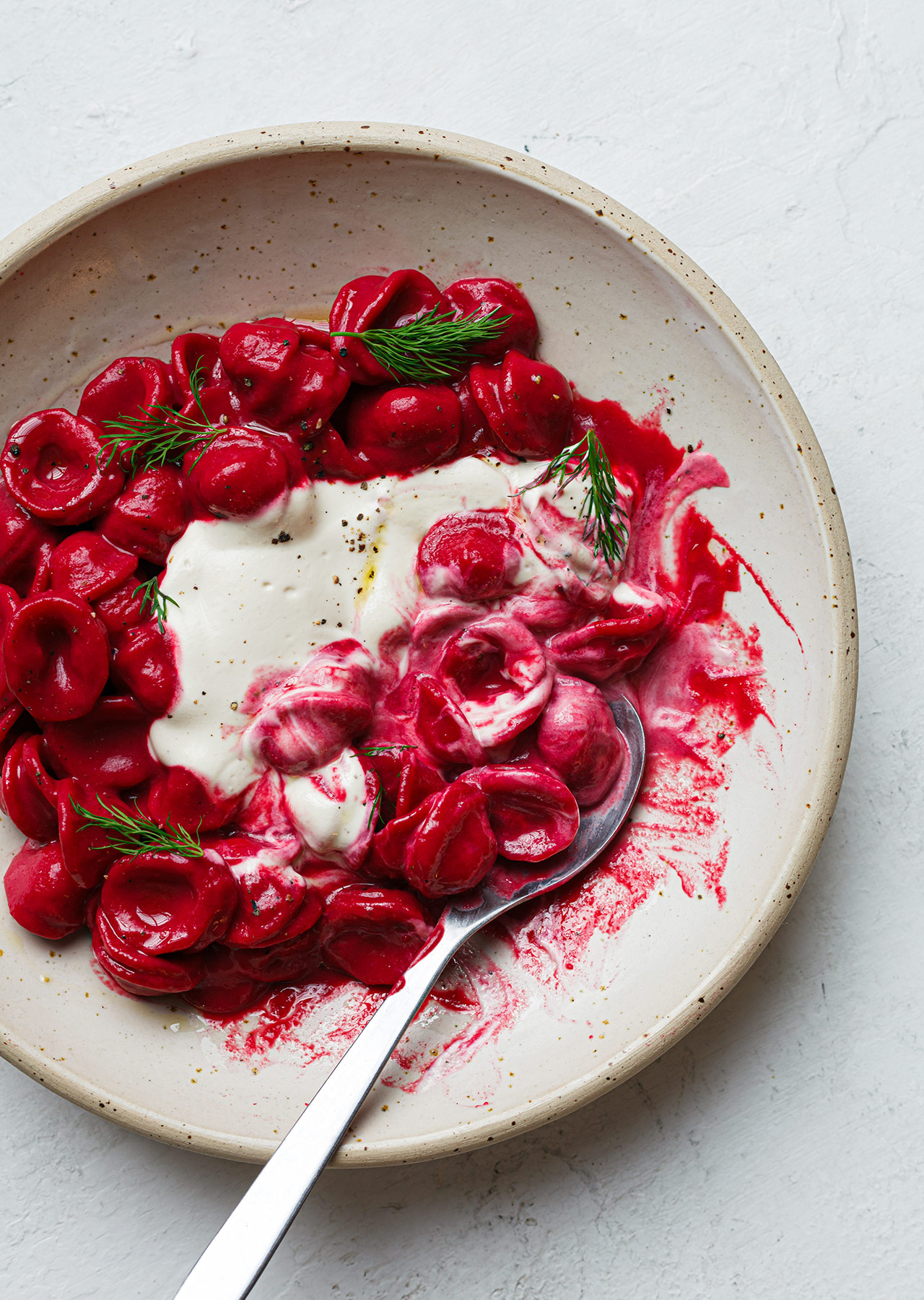
The most striking feature of beet pasta is, without a doubt, its breathtaking color. The natural pigments in red beets infuse the dough with a truly vibrant purple or deep crimson hue, turning any ordinary plate of pasta into a showstopper. This vivid color makes beet pasta perfect for special occasions, romantic dinners, or simply to brighten up a weeknight meal. It's an instant conversation starter and a guaranteed way to impress your guests, making even a simple butter and cheese sauce feel extraordinary.
Subtle Earthy Flavor That Delights
Contrary to what some might expect, adding beets to your pasta dough doesn't result in an overpowering beet flavor. Instead, the cooked red beets impart a delicate, subtle earthy sweetness that complements a wide array of sauces without dominating them. You'll notice a faint, pleasant underlying note, but the primary experience remains that of fresh, homemade pasta. This delicate balance ensures that even those who aren't avid beet fans will appreciate the unique dimension it brings to the dish.
Unexpected Health Powerhouse
Beyond its aesthetic and subtle flavor, beet pasta is a remarkably healthy choice. Red beets are packed with dietary fiber, essential vitamins, and vital minerals, contributing significantly to your and your family's well-being. They're an excellent source of folate, manganese, potassium, iron, and vitamin C. And here’s a common misconception debunked: red beets are not high in sugar; in fact, sugar makes up only about 4% of their composition. Incorporating beets into your pasta is a clever way to boost nutrient intake, often without picky eaters even realizing it.
Fun for All Ages: A Kid-Friendly Kitchen Adventure
Making fresh pasta is inherently a hands-on activity, and adding the vibrant element of beets makes it even more engaging, especially for children. Kids will delight in the process of mixing, kneading, and rolling out the brilliantly colored dough. The striking crimson hue turns what might otherwise be a mundane kitchen task into a playful and exciting experience. It's a wonderful opportunity to involve little ones in cooking, fostering a love for fresh, homemade food from an early age. For more ideas on engaging children with colorful pasta, check out our guide on Kid-Friendly Beet Pasta: Fun, Colorful Shapes for Any Meal.
Mastering the Beet Puree: Your Secret to Success
The foundation of vibrant beet pasta lies in a perfectly smooth, rich beet puree. You have a couple of options for preparing this essential ingredient, catering to both traditionalists and those seeking a convenient shortcut.
Option 1: Fresh Beetroot
Using fresh beets yields the purest flavor and deepest color. The process involves cooking the beets until tender before pureeing. Here’s how:
- Preparation: Wash the red beets thoroughly and remove any greens, but leave the skin on. This helps retain nutrients and color during cooking.
- Cooking Methods:
- Pressure Cooker: Place beets in a steamer basket with enough water to reach the bottom of the basket. Cook for about 20 minutes after high pressure is reached.
- Stovetop: Boil whole, unpeeled beets in a pot of water for 30-60 minutes, or until tender when pierced with a fork.
- Oven Roasting: Wrap individual beets in foil and roast at 400°F (200°C) for 45-60 minutes, or until tender. Roasting can intensify their sweetness.
- Peeling & Pureeing: Once cooked and slightly cooled, the skins will slip off easily. Chop the beets and blend them in a food processor or with an immersion blender until completely smooth. A perfectly smooth puree is crucial for an even dough texture.
Option 2: The "Canned Beet" Hack for Speed and Convenience
For those short on time or looking for a truly easy beet pasta recipe, canned beets are a game-changer. This brilliant hack significantly cuts down preparation time without sacrificing color or flavor.
Instead of roasting or boiling fresh beets, simply drain a can of baby beets or sliced beets. Blend them directly with your eggs in a food processor, and voilà! You have a ready-made beet puree in a fraction of the time. This method is incredibly efficient and keeps the mess to a minimum. To learn more about this clever shortcut, check out our dedicated article: Beetroot Pasta Hack: Make Vibrant Dough Faster with Canned Beets.
Achieving the Perfect Puree Consistency
Regardless of whether you use fresh or canned beets, aim for a very smooth puree. Any chunks will create unevenness in your dough and can compromise the final texture of your pasta. If your puree seems too thick, add a tiny bit of water or the egg before blending further. If it's too watery, you might need to adjust your flour later, so try to keep it as thick as possible while still being smooth.
How to Make Beet Pasta Dough: Step-by-Step Recipe
Ready to transform that vibrant puree into stunning pasta? Here’s a detailed guide on how to make beet pasta from scratch.
Ingredients:
- 200g red beet puree (from fresh or canned beets)
- 1 medium egg
- 2 egg yolks
- 400g all-purpose flour or Tipo 00 flour (Tipo 00 offers a finer texture)
- 1 pinch salt
- 3 drops olive oil (optional, adds a slight elasticity)
Equipment:
You can make this dough with minimal tools or harness the power of kitchen gadgets:
- Large mixing bowl (for hand mixing)
- Food processor (for machine mixing)
- Pasta machine (recommended for even rolling) or a rolling pin
- Bench scraper or knife
- Plastic wrap
Instructions:
Preparing the Dough by Hand:
- Create a Well: On a clean, flat surface (a large wooden board or countertop is ideal), mound the flour and make a large well in the center. Sprinkle the salt around the outer edge of the well.
- Add Wet Ingredients: Pour the beet puree, egg, egg yolks, and olive oil (if using) into the well.
- Mix Gradually: Using a fork, gently whisk the wet ingredients in the center, gradually incorporating small amounts of flour from the sides of the well. Be careful not to break the walls too quickly, or your wet ingredients will spill.
- Form Dough: Once the mixture becomes too thick for a fork, use your hands to bring the remaining flour into the center, kneading it until a shaggy dough forms.
Preparing the Dough with a Food Processor:
- Combine Dry: Place the flour and salt into the bowl of a food processor. Pulse a few times to combine.
- Add Wet: In a separate bowl, whisk together the beet puree, egg, egg yolks, and olive oil (if using).
- Process: With the food processor running, slowly pour the wet ingredients through the feed tube. Continue processing until the dough comes together in a ball, usually within 30-60 seconds. If it seems too dry, add a teaspoon of water; if too wet, a tablespoon of flour.
Kneading and Resting the Dough:
Regardless of the mixing method, the next steps are crucial for developing the gluten structure that gives pasta its characteristic chew and texture:
- Knead: Turn the dough out onto a lightly floured surface. Knead vigorously for 8-10 minutes (if by hand) or until the dough is smooth, elastic, and springs back when poked. This process is vital for gluten development.
- Rest: Form the dough into a ball, flatten it slightly, and wrap it tightly in plastic wrap. Refrigerate for at least 30 minutes, or up to an hour. Resting allows the gluten to relax, making the dough easier to roll and less prone to tearing.
Shaping Your Pasta:
Once rested, your vibrant beet pasta dough is ready to be transformed! You can cut it into various shapes:
- Fettuccine or Pappardelle: Roll the dough thin (using a pasta machine or rolling pin), then cut into strips.
- Lasagna Sheets: Roll into thin, wide rectangles.
- Ravioli or Tortellini: This dough is perfect for filled pasta, offering both visual appeal and a robust texture to hold fillings like spinach and goat cheese, as mentioned in our reference.
Serving Suggestions:
The subtle flavor of beet pasta pairs beautifully with light sauces that allow its color to shine. Consider a simple brown butter and sage sauce, a creamy goat cheese sauce, a fresh pesto, or even just a drizzle of good quality olive oil with a sprinkle of Parmesan. Its vibrancy also makes it an excellent base for vegetable-heavy sauces or a rich mushroom ragu.
Expert Tips for Perfect Beet Pasta Every Time
Achieving perfect homemade pasta requires a bit of practice, but these insights will help you master your beet pasta on the first try.
Flour Quality Matters
Using high-quality flour can make a noticeable difference. Tipo 00 flour, a finely milled Italian flour, is often preferred for pasta as it creates a silky smooth dough with a perfect chew. However, good quality all-purpose flour works perfectly well for a delightful homemade pasta experience.
Dough Hydration is Key
The amount of flour can vary slightly depending on the size of your eggs and the moisture content of your beet puree. The dough should be firm but pliable, not sticky. If it feels too dry and crumbly, add a tiny bit of water (1/2 teaspoon at a time). If it's too sticky, incorporate a small amount of flour until it reaches the desired consistency. Trust your instincts and the feel of the dough.
Don't Overcook Fresh Pasta
Fresh pasta cooks much faster than dried pasta, often in just 2-4 minutes depending on its thickness. Cook it al dente – firm to the bite. Overcooked fresh pasta can become mushy and lose its appealing texture.
Proper Storage for Freshness
If you're not cooking your fresh beet pasta immediately, you can store it in a few ways:
- Refrigeration: Dust shaped pasta lightly with semolina flour to prevent sticking, then arrange it loosely on a baking sheet. Cover with plastic wrap and refrigerate for 1-2 days.
- Freezing: For longer storage, freeze fresh pasta. Arrange shaped pasta on a semolina-dusted baking sheet in a single layer until solid (about 30 minutes), then transfer to an airtight freezer bag. It can be frozen for up to a month and cooked directly from frozen (it might take an extra minute or two).
Scaling the Recipe
The recipe provided typically yields enough raw fresh pasta for about 6 servings (around 120g/4.25 ounces per person to be covered by a sauce). However, if you're making filled pasta like ravioli, the same amount of dough might stretch to 8-10 servings, as the filling adds bulk. Adjust quantities based on your needs and how you plan to serve it.
Conclusion
Learning how to make beet pasta is a wonderfully rewarding culinary adventure. From its striking, natural crimson hue to its subtle earthy flavor and impressive nutritional profile, this vibrant dish offers so much more than just a meal. It's an opportunity for creativity in the kitchen, a healthy choice for your family, and a guaranteed way to bring a touch of magic to your dining table. So, roll up your sleeves, embrace the beautiful mess, and get ready to enjoy the rich flavors and stunning aesthetics of homemade beet pasta. Your taste buds, and your guests, will thank you!
